
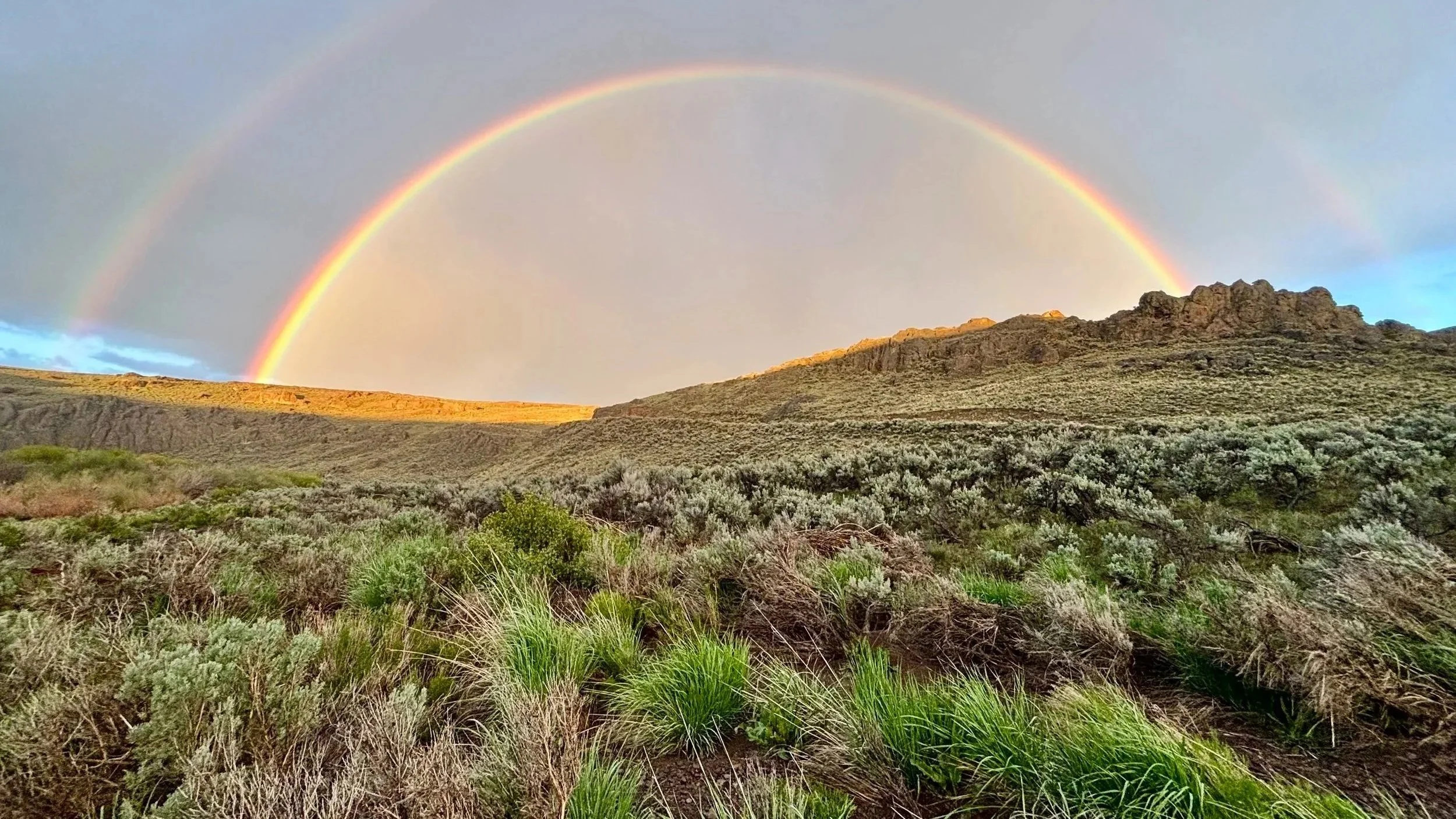
Revive the Wild. Rethink the System. Reimagine Our Shared Future.
What is the New Direction for Public Lands?
The New Direction for Public Lands is an emerging movement with a shared vision to protect, rewild, and reimagine our nation’s public lands by offering legislative solutions at the federal level. Our collection of impactful policies point the way towards the future we envision for public lands and wildlife.
Our Principles
Public lands are among the most important and enduring commitments the American people have made to themselves and future generations. These are landscapes held in common, managed in the public interest, and protected from the relentless pressure to convert everything into private profit. These principles define what a renewed and reimagined commitment might mean in practice, and what it would demand of the people and institutions entrusted to uphold it.
1. Anti-Capture: When powerful corporate interests are given disproportionate control over public lands, this leads to exploitation, not stewardship.
2. Ecological Integrity: The wholeness of ecosystems is the primary measure of good management, not corporate profit.
3. Indigenous Rights: Public lands are ancestral homelands. Treaty rights are the law of the land and must be honored. Tribal consultation must be genuine and consequential — not a procedural checkbox.
4. Participatory Democracy: The public as a whole has a right to exercise oversight and participate in decisions about lands owned by and for the people—full stop. We have a right to full information and genuine opportunity to shape outcomes.
5. Phasing Out Extraction: Extraction is a misuse of public lands. There are plenty of opportunities for commercial extraction on private lands (with appropriate safeguards). Public lands should be stewarded for ecosystems, native wildlife, and public enjoyment.
6. Protected Areas: Wilderness designations, national parks, rewilding area and other protective classifications represent the highest expression of the public land ideal. These boundaries are not negotiating positions — they are commitments, and attempts to shrink, compromise or weaken them betray the public trust.
7. Public Trust: Public lands are a public trust—a shared inheritance and an intergenerational legacy. Public lands must be stewarded for the future, not merely short-term economic interests.
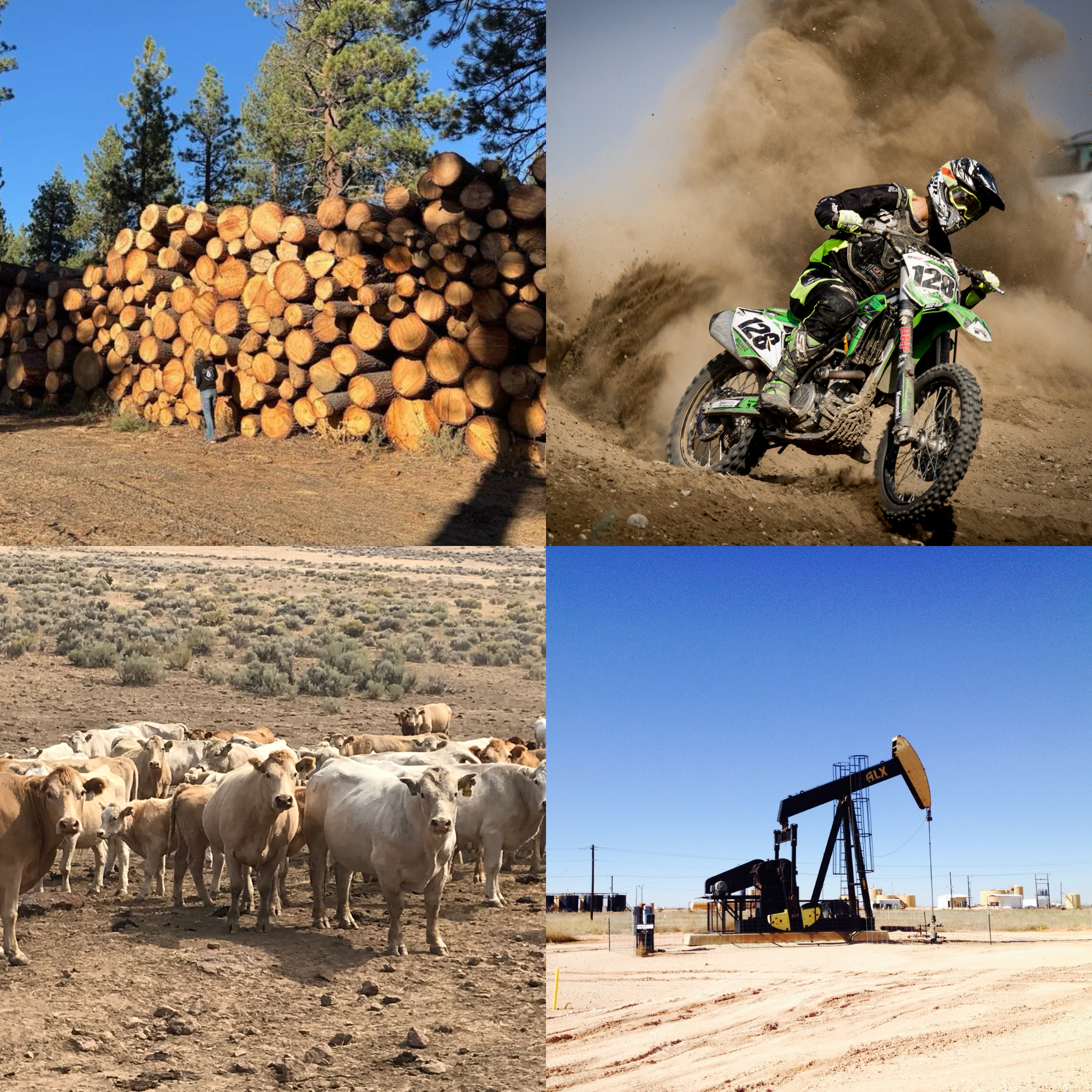
“Multiple Use” Mandates Are Failing Public Lands
Forest and sagebrush ecosystems are being decimated in the name of wildfire prevention.
Domestic livestock are ravaging riparian areas, upland habitats, and putting species at risk of extinction.
Rampant energy development and mining projects are destroying wildlife habitat and polluting water resources.
Out of control motorized recreation harms wildlife and shatters soundscapes.
Our Legislative Solutions
The New Direction for Public Lands has complied a suite of federal legislation that would reform public lands, agency reform and wildlife management.
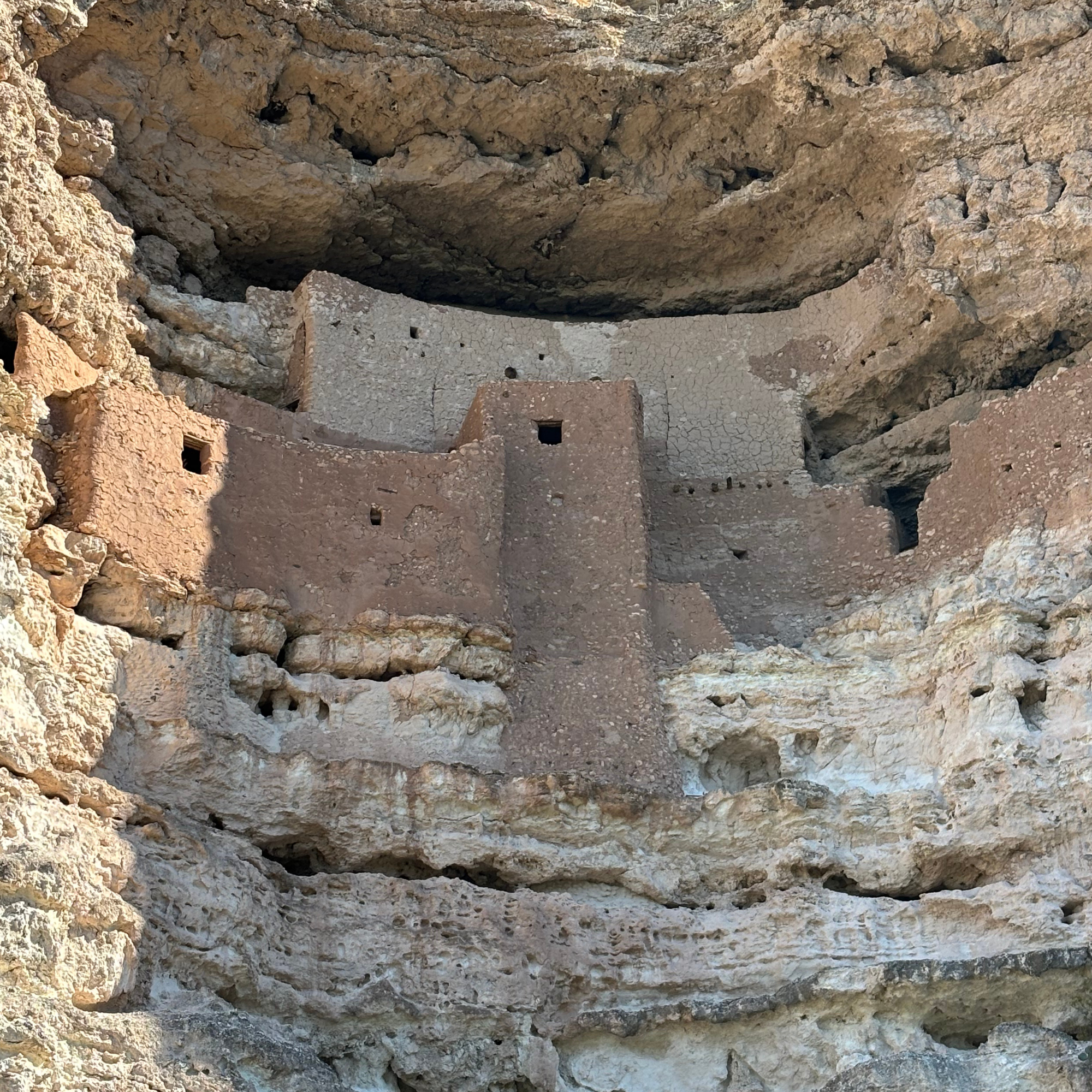
Putting Traditionalist Tribal Interests Front & Center
We are dedicated to uplifting indigenous voices advocating for intact ecosystems and healthy native wildlife populations.
We advocate for robust consultation between tribal governments and the U.S. Government when decisions affect ancestral homelands.
We support access to and cultivation of first foods and medicines on public lands.
Public lands are scared lands. Historic and cultural sites must be protected at all cost.
Our Vision for Reform
Consolidate the U.S. Forest Service, Bureau of Land Management, U.S. Fish and Wildlife Service, and National Park Service into a new agency called the “Department of Public Lands” that will be guided by strict ecological sideboards .
Create new protected areas across the nation: Wilderness areas, national parks, national monuments, national recreation areas, national conservation areas, and Areas of Conservation Concern that achieve the highest level of ecological and biological protections possible under law.
End timber harvest and livestock grazing as established “multiple uses” on the public lands.
Create a system of “rewilding areas” across the public lands where lands and waters can heal from over a century of industrial exploitation and abuse.
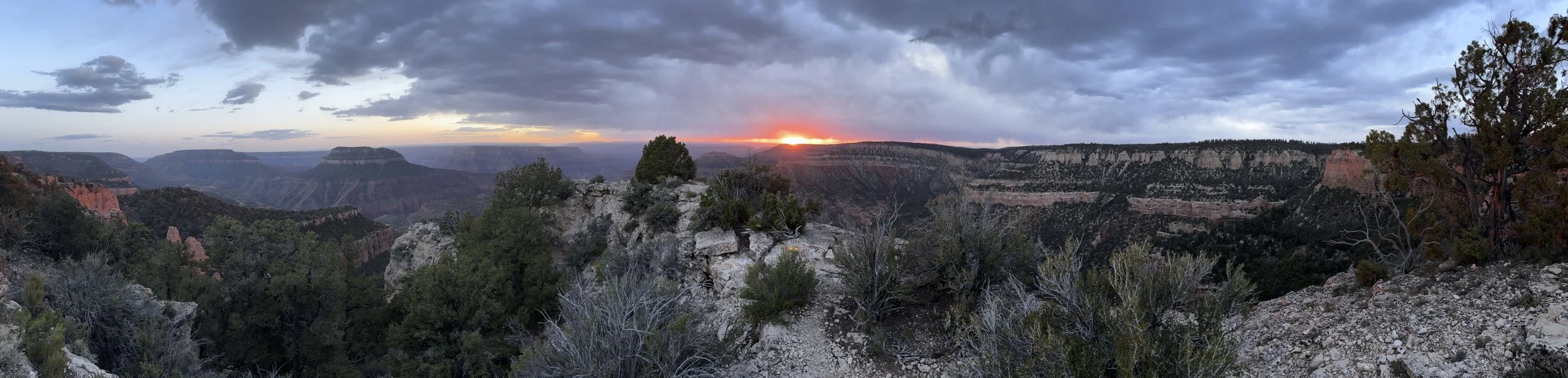
“We Do Not Inherit the Earth from Our Ancestors; We Borrow It from Our Children” — Unknown
Revive the Wild. Rethink the System. Reimagine Our Shared Future...
Sign up for occasional communications and ways to stay engaged with us!