
Our Policies
-
Create a New Department of Public Lands, absorbing the National Park Service, Forest Service, U.S. Fish and Wildlife Service, and Bureau of Land Management.
Create a new agency administering the National Wilderness Preservation System.
Close down USDA Wildlife Services and create a new department specializing in wildlife coexistence on public and private lands.
-
Redefine Multiple Use as biodiversity conservation, clean water supply, natural processes and succession, and recreation.
Place strict ecological sideboards on the agencies through the rewriting of the land management organic acts.
Remove commercial livestock grazing as a codified multiple use.
Remove timber harvest as a codified multiple use.
Remove oil, gas, and mining as codified multiple uses.
Prohibit the removal or destruction of native vegetation, with exceptions (e.g. hazard tree felling left in-place, indigenous ceremonial purposes).
Air, noise, soil, and water pollution standards on public lands — enforceable, with explicit violation structures and fines.
-
NEPA reform: Seek to reform NEPA in ways that restore meaningful public participation in agency decisionmaking.
Reform or dissolve the Departmental Cases Hearings Division (DCHD) within the Department of the Interior.
#4 Honoring Indigenous Cultural Practices & Treaty Rights
Improve tribal consultation with the land management agencies
Rewrite National Historic Preservation Act to be protective
Create a federal program to fund first foods and medicine cultivation
Remove administrative barriers to cultural burning outside of Wilderness
In consultation with Tribes, redefine co-management agreements to emphasize cultural practices, protection of cultural and sacred sites and the natural world
Create new non-extractive revenue streams for tribes
Funding for agencies and tribes for salmon habitat restoration
Funding for bison herd establishment on tribal lands

-
Ensure ample in-stream flows on public lands.
Allocate senior water rights on public lands to the federal government.
-
New systems of lands
Create a "National Rewilding Lands System" on federal public lands.
Create a "Refugia Lands System" — old growth, wetlands and marshes, riparian areas, intact sagebrush, post-fire habitat, and other ecosystems.
Species restoration
Bison protection and expansion within their historic range.
Reintroduce extirpated species, e.g., bighorn sheep and mountain goats in their historic range; designate habitat areas.
Recover native carnivores throughout their historic range.
Barrier removal and landscape restoration
Remove dams, (e.g. Snake River Dams), for salmon recovery.
Put people to work conducting landscape-scale riparian restoration projects and removing fencing, through federal funding.
-
Predators, killing, and sterilization methods
Nationwide prohibition on killing predators on public lands, except in cases of direct threats to humans.
Wildlife "whacking" ban.
Wildlife killing contest ban.
24-hour trap checks, mandatory trap setbacks, and M44 ban.
Ban the use of GonaCon and other immunocontraceptives that can cause permanent sterility in wild horses.
End wild horse roundups, and reintroduce natural predators (e.g., mountain lions, wolves, grizzly bears) into wild horse Herd Management Areas.
Species-specific protections
National beaver protections on federal public lands (no killing, trapping, or hunting, with limited exceptions).
Remove interior fences in wild horse Herd Management Areas, ending livestock grazing within wild horse Herd Management Areas, and reestablishing wild horse Herd Management Areas that have been eliminated by BLM.
Endangered Species Act
Strengthen the Endangered Species Act and habitat protections.
Oppose Congressional efforts that would preclude new ESA listings.
Oppose Congressional efforts to delist species or modify critical habitat under the ESA.
Funding
Permanent funding to state fish and wildlife agencies to implement non-game conservation work.
Fully fund Endangered Species Act implementation.
Prohibit the use of federal funds for killing native wildlife (either by federal agencies, or via pass-throughs).
#8 Livestock Grazing
Phase out commercial livestock grazing on public lands
Grazing fees match going private rates for forage
Range riders required on all grazing permits to protect riparian areas and reduce conflict with native wildlife
Remove ten-year grazing permit renewal evasion under NEPA (Rescind Section 402(c)(2) of FLPMA)
Voluntary grazing permit retirement across public lands
Limit stocking rates to levels that are compatible with functioning native ecosystems

Prohibit issuance of new livestock grazing permits in currently ungrazed areas.
Permanently close vacant grazing allotments.
Prohibit the killing of native wildlife in support of commercial livestock grazing.
Inventory and restore retired grazing allotments.
Create an equitable and just transition program including employing former range workers to carry out restoration work on former grazing allotments.
-
Landscape-scale commercial renewable energy withdrawals.
Ban data centers on all federal public lands.
Restrict water access for data centers coming off public lands.
-
Enact a permanent moratorium on new fossil fuel leases, and prohibit renewal of expiring fossil fuel leases
Buyout provision for existing fossil fuel leases
Landscape-scale fossil fuel prohibitions
Unfreeze and expand funding for orphaned well methane capping/plugging
-
Phase out mining on public lands, with the narrow and limited exception of some localized sites, outside of Wilderness, Wild and Scenic River Corridors, Roadless Areas, National Parks, National Monuments, and Research Natural Areas that may be needed to obtain certain elements necessary to achieve a clean energy future
Buyout provision for existing mining leases
Establish royalties for mining operations during the interim
Reform the 1872 mining law
Landscape-scale mining prohibitions, e.g., Boundary Waters, Black Hills, Greater Yellowstone Ecosystem
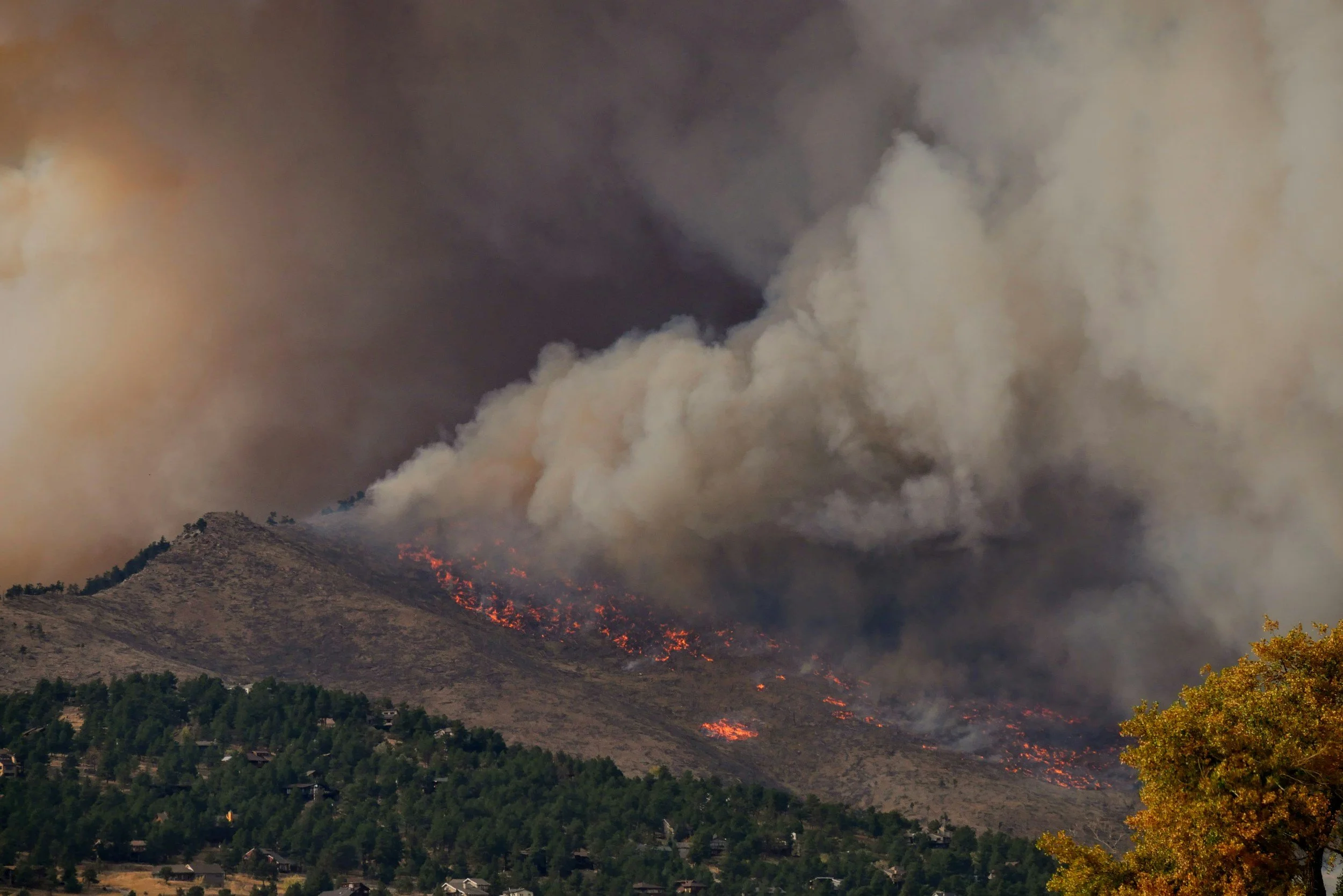
#12 Logging & Wildfire
CONTRACTING AUTHORITIES AND LOOPHOLES
Close the wildfire, insects, and disease logging loophole in the Wilderness Act, and close similar logging loopholes in the National Parks Organic Act
End "Good Neighbor Authority"
Redefine what "Stewardship Agreements" mean on federal public lands — i.e. exclude commercial extraction
VEGETATION TREATMENT PROHIBITIONS
End logging on public lands
Stop the felling and deforestation of forest ecosystems, including complex early seral forest habitat, due to “fuels reduction treatments”
Prohibit sagebrush removal or destruction
Prohibit pinyon pine & juniper removal or destruction
Prohibit chaparral removal or destruction
Prohibit biofuel and biochar feedstock harvesting
Reform the use of pesticides, herbicides, and insecticides on federal public lands
FIRE
Put people to work in vulnerable communities creating defensible space and doing home hardening work, through federal funding.
Allow and promote defensible space pruning on public lands within 100 feet of human structures and evacuation routes.
Rein in abuses of prescribed burning that cause excessive smoke and ecological damage, and emphasize allowing more lightning fires to occur.
REVEGETATION
Fund native seed program; eliminate use of non-native seed
Prohibit tree planting (with narrow exceptions) and allow and emphasize natural succession. Background: planting mostly occurs post-logging where natural regeneration is not an issue
Plantings interfere with natural succession and can introduce pathogens
-
Reinstate the Legacy Roads and Trails Program
An Inventory and Roadless Rule for BLM lands
Mandate maximum road densities across BLM districts and Forest Service forests
Conduct a system-wide road inventory and prioritize roads decommissioning based on ecological impacts
Put people to work decommissioning roads through federal funding
Create a national program for culvert replacement and fish barrier removal
-
Noise decibel limits on OHVs
Annual noise inspection required to get a permit to use OHVs on public lands
Require all public lands visitors to carry a fire extinguisher and shovel close to their vehicles; fund fire patrols
Restrict e-bike access in sensitive wildlife areas
-
Funding for access: buses
Land purchases around populated centers
Increase access to public lands by removing fees to enter public lands outside existing established campgrounds
Consolidate checkerboard land ownership through acquisition.
Create a right of reasonable access for the public to all federal public lands
Large-scale federal land purchases into the public lands system — a real estate program that acquires private lands at market rate from willing sellers
-
Limit the number of commercial outfitter and special use permits
Voluntary buyout and retirement provision for existing special use permits
-
Constitutional amendment and statutory protection: Rights of Nature, and the community right to a clean and healthy environment
-
21st Century Conservation Corps (redline)
Jobs doing retrofits for wildfire-prepared homes
Citizen scientists: water quality monitoring, wildlife monitoring

#19 Protected Lands
Land protection track (conversions on a case-by-case basis)
FROM Roadless Areas, Wilderness Study Areas, certain lands with wilderness characteristics, certain citizen wilderness inventories TO→ Wilderness
FROM Monuments TO→ National Parks and Preserves
FROM Areas of Critical Environmental Concerns TO→ Enforceable protections
New Designations
National Parks
National Monuments
Wild and Scenic Rivers
National Conservation Areas
National Recreation Areas
Wildlife Refuges
Protective Overlays
Quiet Areas
Dark Skies Areas
Permanence
Constitutional amendment: sell-off and transfer prohibition of public lands, outside limited exceptions