
Issues
Explore The Issues
Issues 1–3
Issues 4–6
Issues 7–9
Issues 10–12
Issues 13–15
Issues 16–17
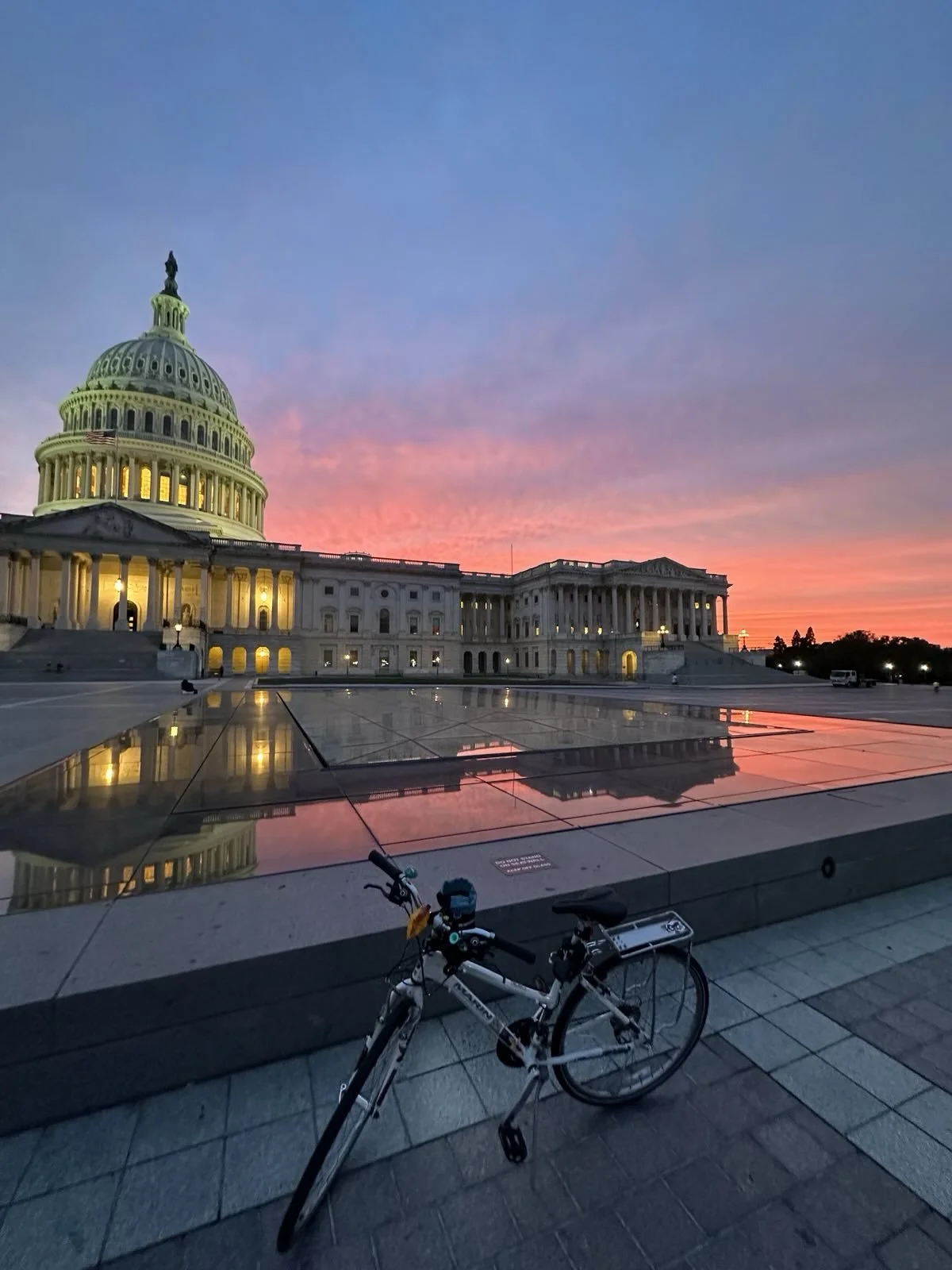
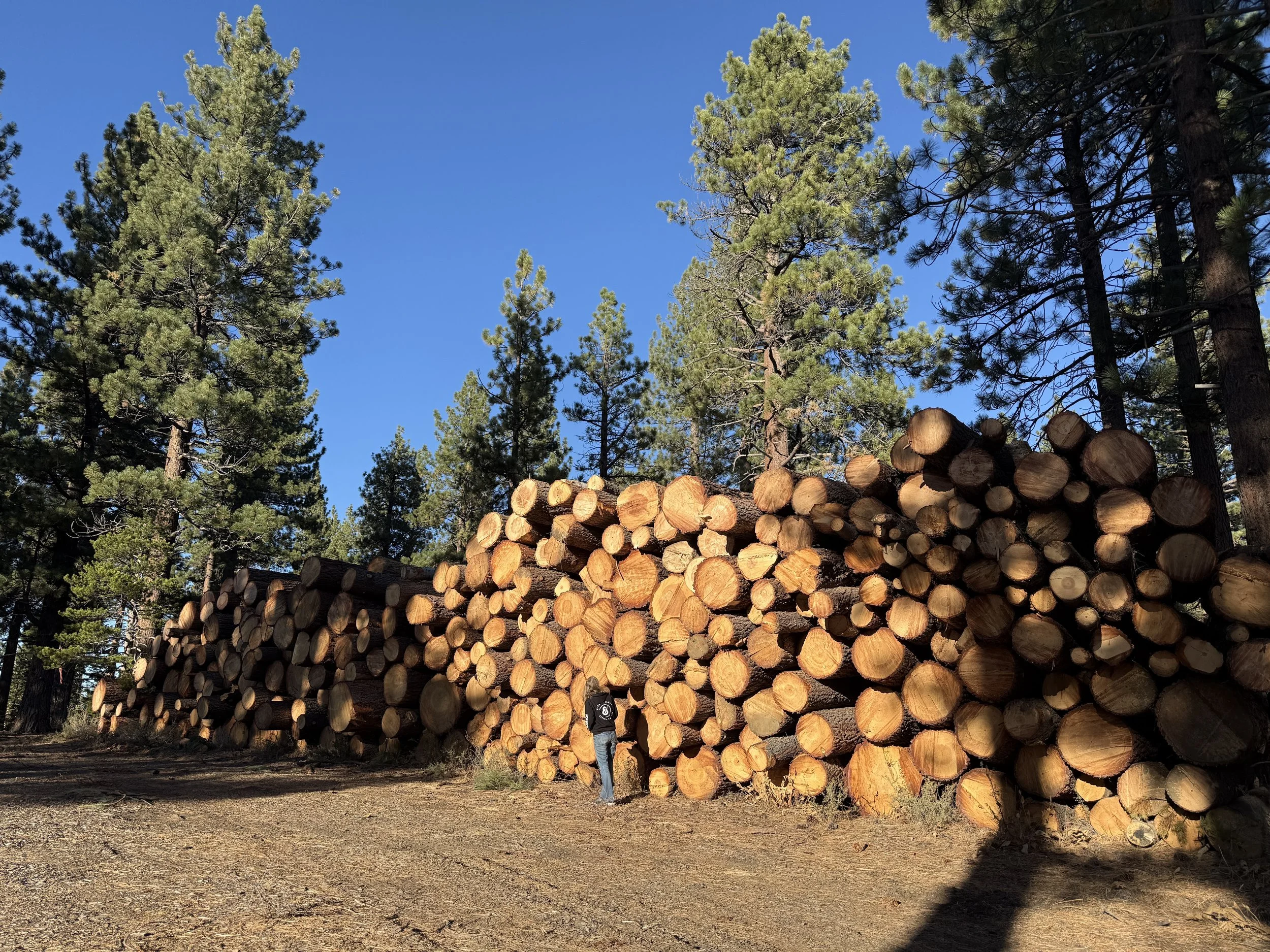
The organic acts governing our land management and wildlife agencies are arcane and industry-serving, riddled with loopholes and ambiguity that greenlight rampant logging, grazing, and other extraction with few meaningful sideboards. New laws should replace this outdated framework with clear, enforceable mandates that expressly prohibit ecologically harmful activities and put the health of wildlife and ecosystems first.
Agency
Overhaul
Issues
Legislation
Fact Sheet
Issues
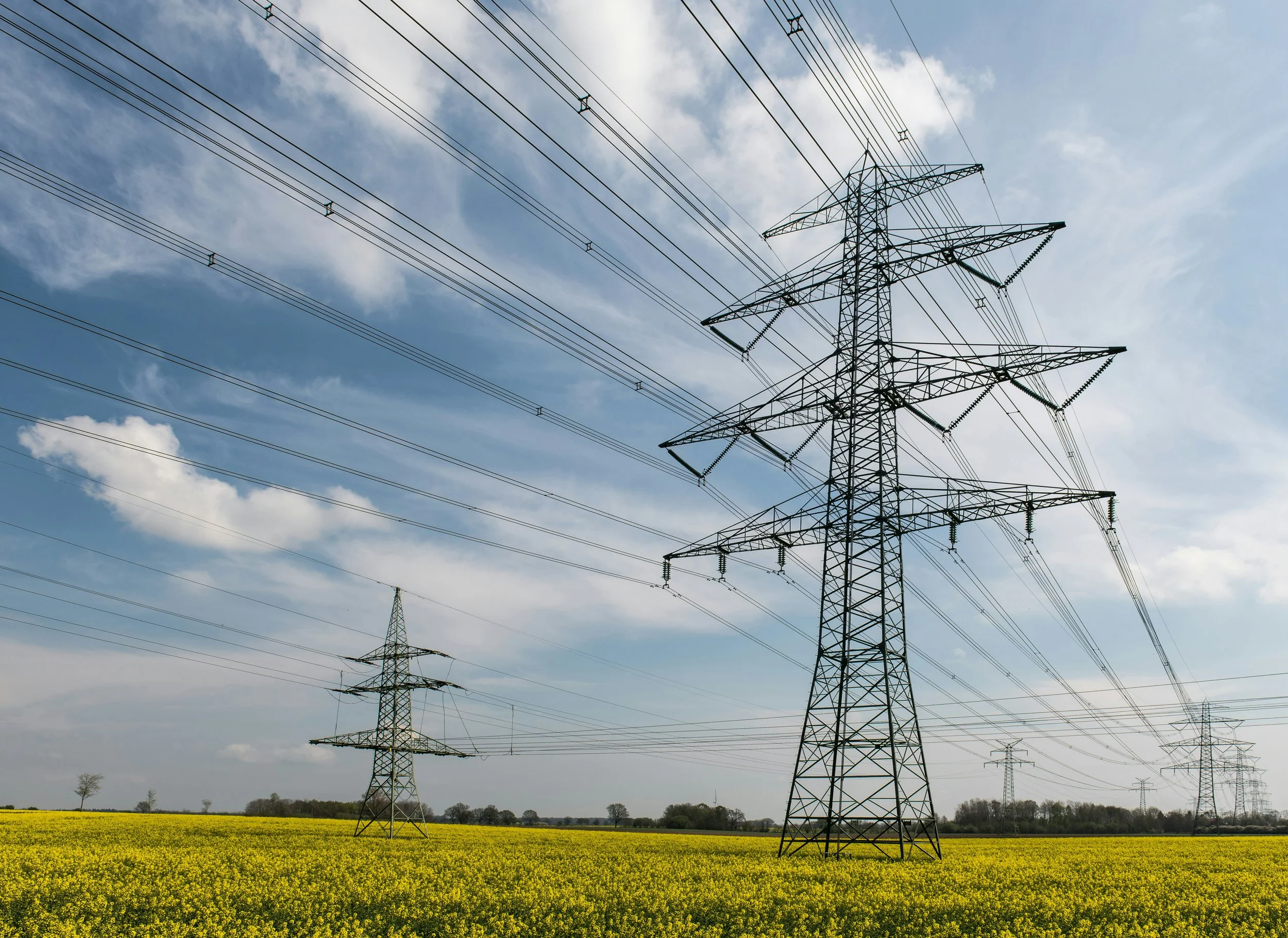
Energy and transmission projects on public lands — power lines, pipelines, solar farms, and wind corridors — are increasingly rushed through under the banner of green progress. But the result is the same as any other extractive use: permanent industrial footprints, broken-up habitat, and private profit taken from land that belongs to all of us.
Energy &
Transmission
Legislation2
Fact Sheet2

Issues
Oil and gas companies extract billions in value from publicly owned mineral estates while paying royalty rates and leasing fees so nominal — often pennies on the dollar compared to private land markets — that the arrangement amounts to a corporate subsidy disguised as a public revenue stream.
Fossil
Fuels
Fact Sheet3
Legislation3
Issues
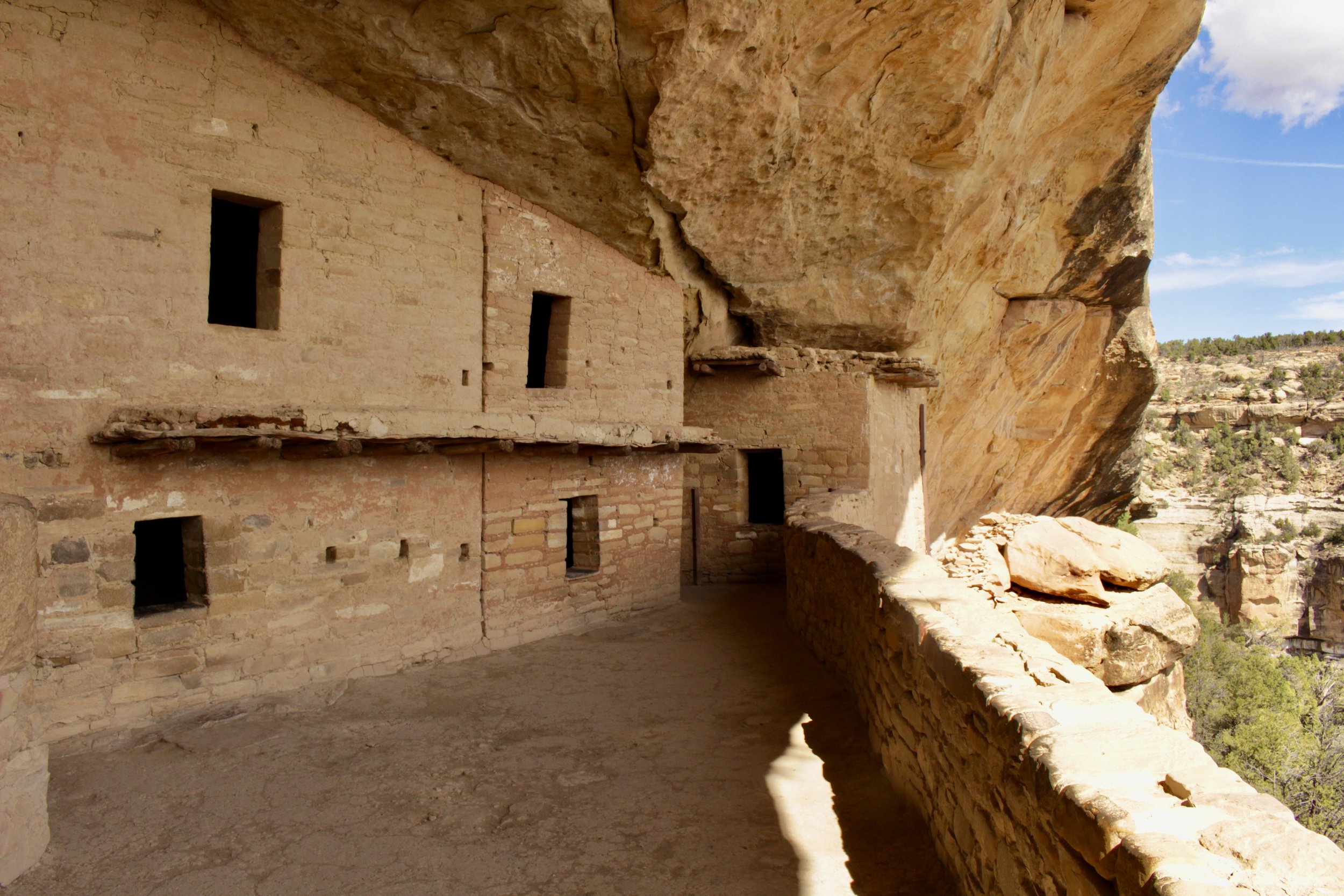
Many public lands are Indigenous homelands — places sacred to tribes, where first foods and medicines grow and communities gather for ceremony. These traditional uses long predate the public lands system itself, and honoring them means upholding treaty rights, protecting access to usual and accustomed places, and respecting tribes' enduring connection to these landscapes.
Indigenous &
Treaty Rights
Fact Sheet4
Legislation4
Issues
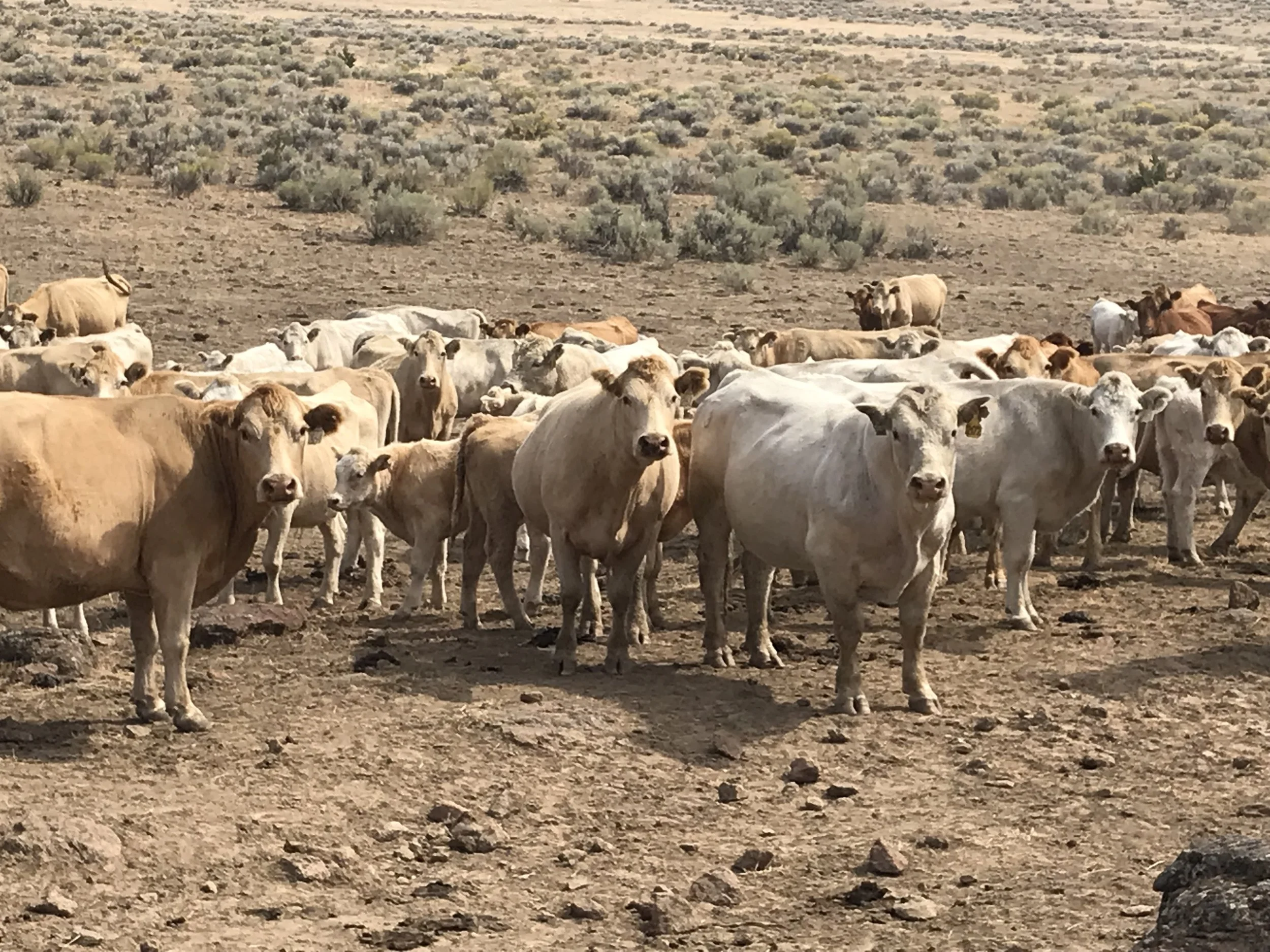
About 85% of western public lands are grazed by domestic livestock, yet this single use is the leading cause of species endangerment — fouling streams, degrading land health, and driving native wildlife toward extinction — all to produce less than 2% of the nation's beef. Grazing is simply not the highest and best use of our public lands, and it is time to end it as a multiple use once and for all.
Livestock
Grazing
Fact Sheet5
Legislation5
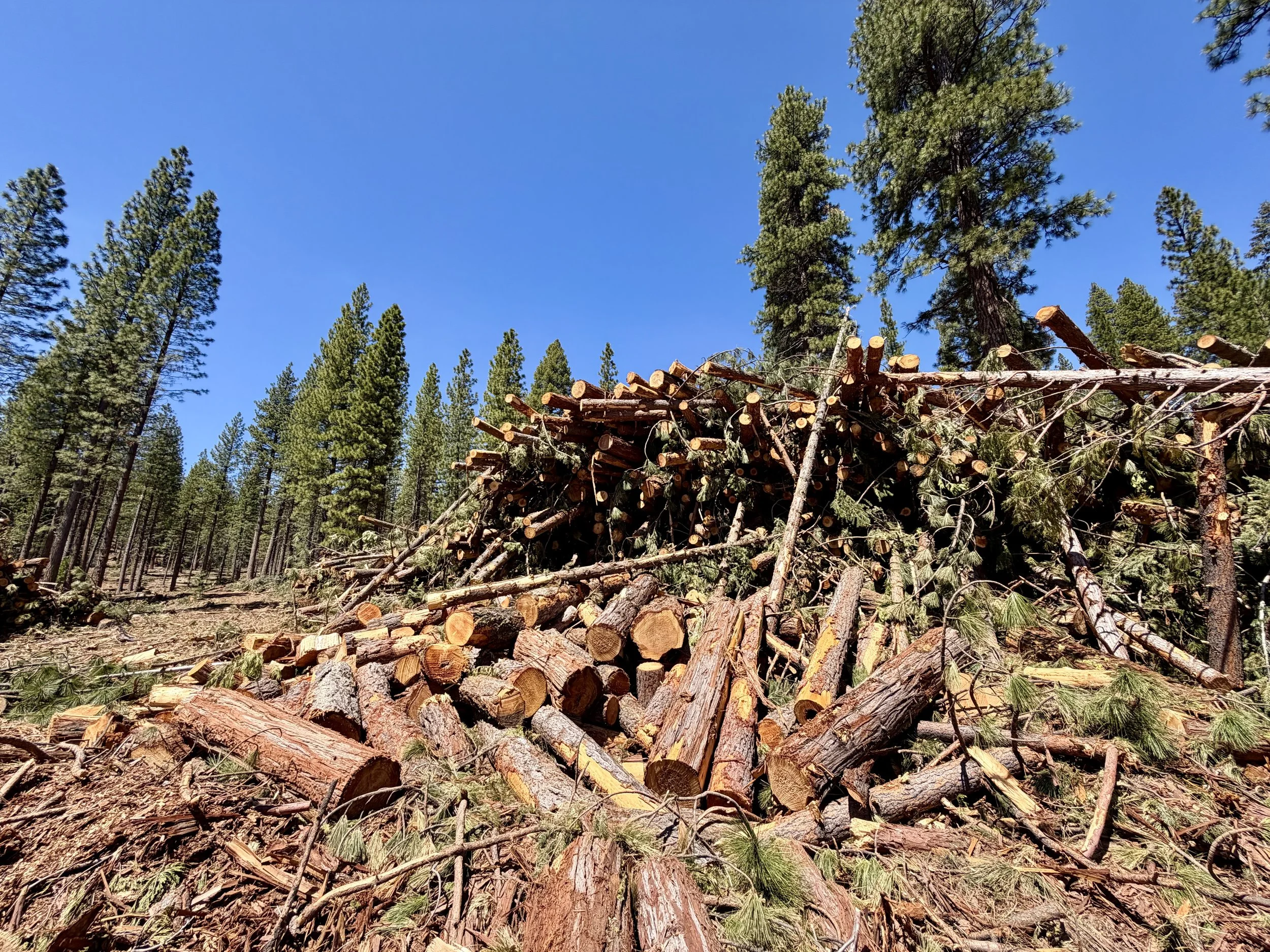
Logging is routinely disguised as wildfire prevention and forest restoration, with emergency authorizations rushed through under false pretenses — but by drying out forests and opening them to wind, it actually spreads fire faster and hotter toward communities, all while devastating forested ecosystems. "Thinning" is simply logging repackaged in flowery language, and we seek to end it as an appropriate multiple use of our public lands.
Logging &
Wildfire
Issues
Fact Sheet6
Legislation6

Issues
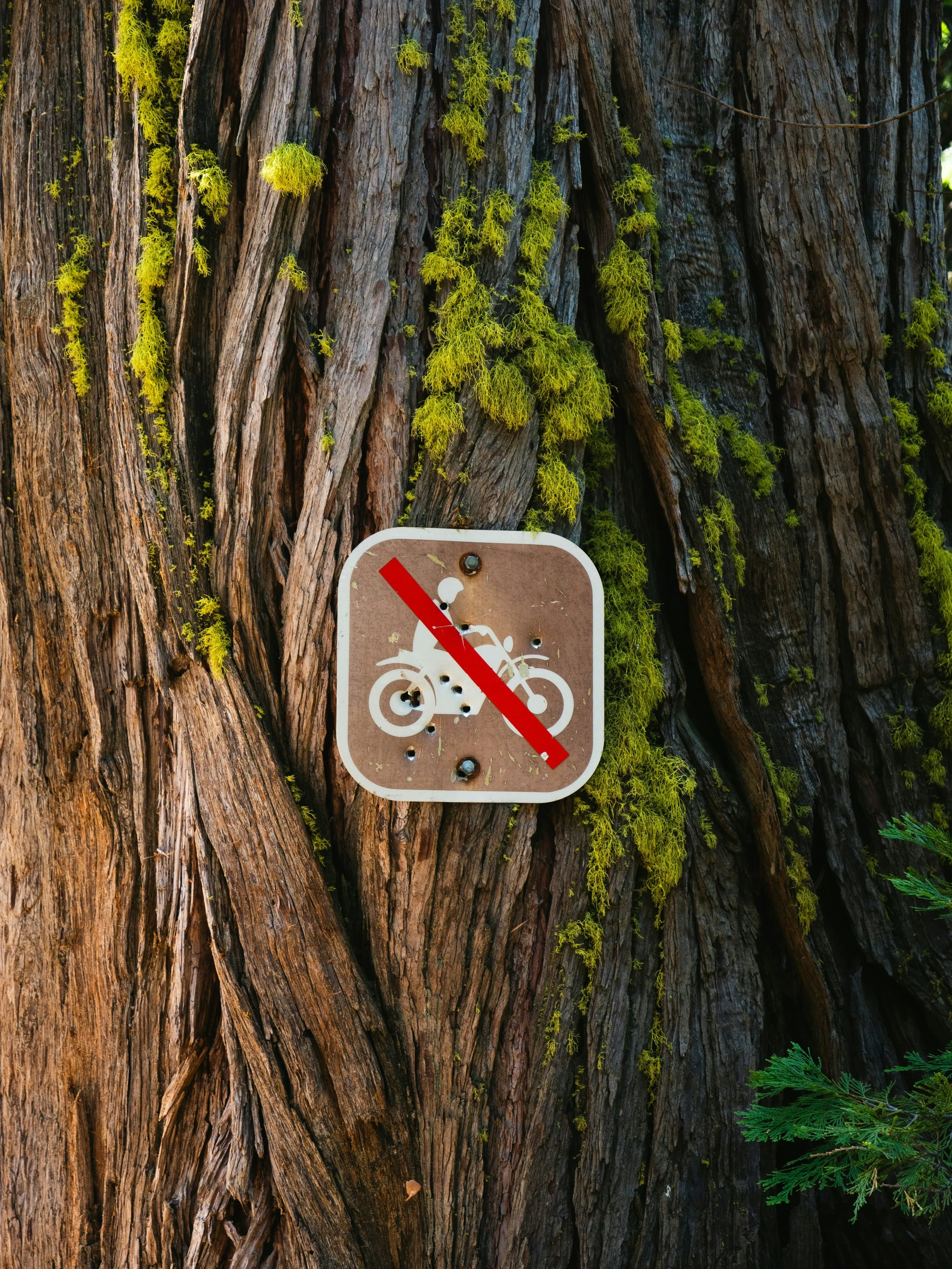
Unregulated off highway vehicle use on public lands hides behind the recreational pillar of the multiple use framework while functioning as a slow-motion landscape demolition project, churning up cryptobiotic soil crusts, shredding riparian habitat, displacing wildlife, and shattering soundscapes — all in the name of "access."
Motorized
Recreation
Fact Sheet7
Legislation7
Issues
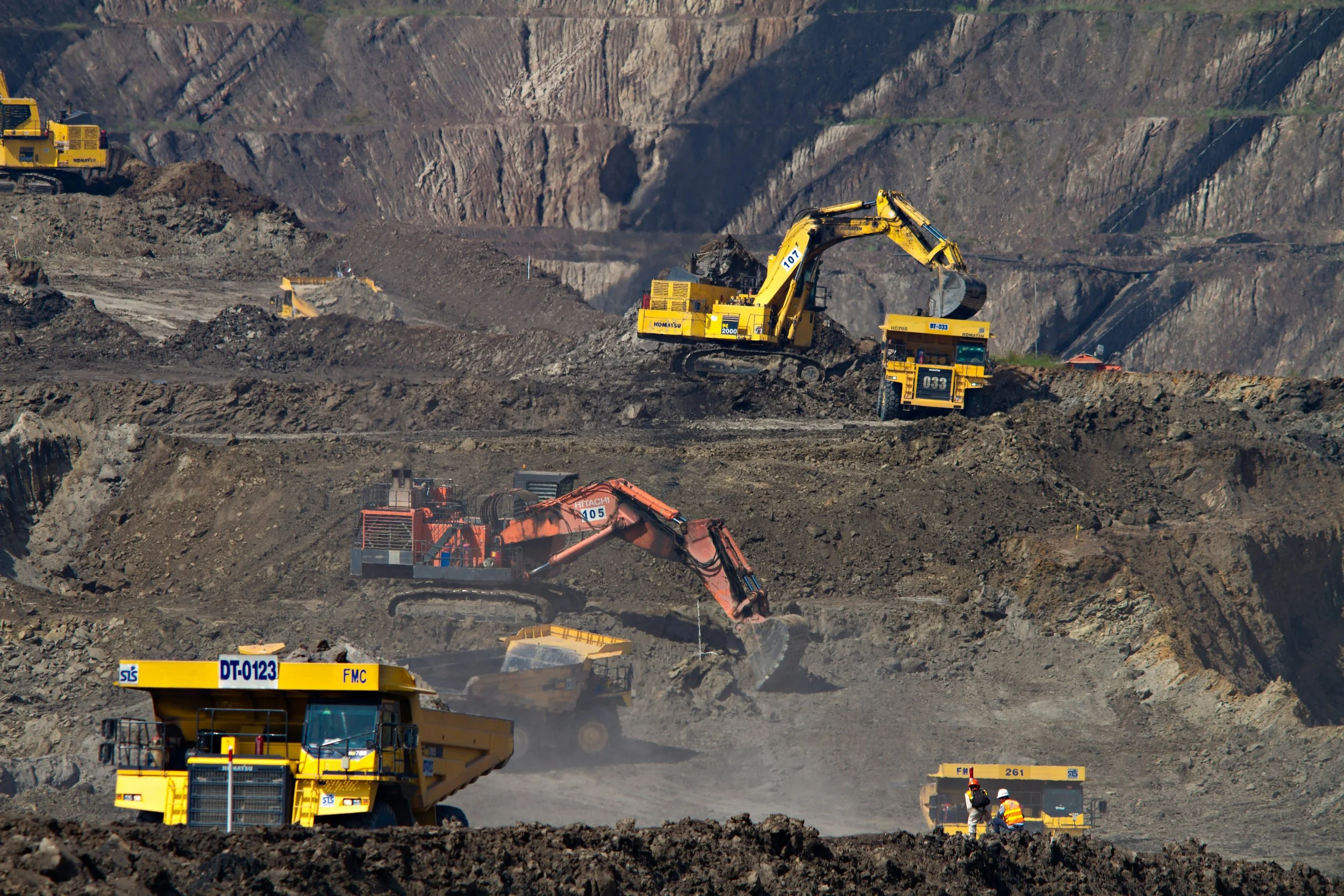
Hard rock mining on public lands remains governed by the 1872 Mining Law, allowing companies to stake claims and extract gold, copper, and lithium from public land while paying zero royalties to the American taxpayer — making it arguably the most nakedly extractive arrangement in the entire multiple use framework, a 150-year-old giveaway that has never been meaningfully reformed. We seek to close large areas of public lands to mining activities.
Mining
Fact Sheet8
Legislation8
Issues
The "multiple use" framework, enshrined in federal law since 1960, presents itself as a balanced philosophy ensuring public lands serve everyone equally — but in practice it has always been a backdoor for extraction. The Bureau of Land Management and the Forest Service have historically been dominated by commodity interests. The forces driving extraction have not disappeared — they have merely evolved, repackaging themselves in green-sounding euphemisms while pursuing the same destructive goals, and "multiple use" is perhaps their most successful repackaging of all.
Multiple-Use
Framework
Legislation9
Fact Sheet9
Issues
The outfitter and guide permitting system on public lands presents itself as a managed, fee-based approach to commercial recreation, but chronic under-enforcement, below-market permit fees, and cozy long-term relationships between permit holders and agency staff have effectively privatized public lands for the benefit of a small class of commercial operators who treat their permits as a right and not a privilege. We seek to limit and better regulate commerical use permits.
Outfitters
& Guides
Legislation10
Fact Sheet10
Issues
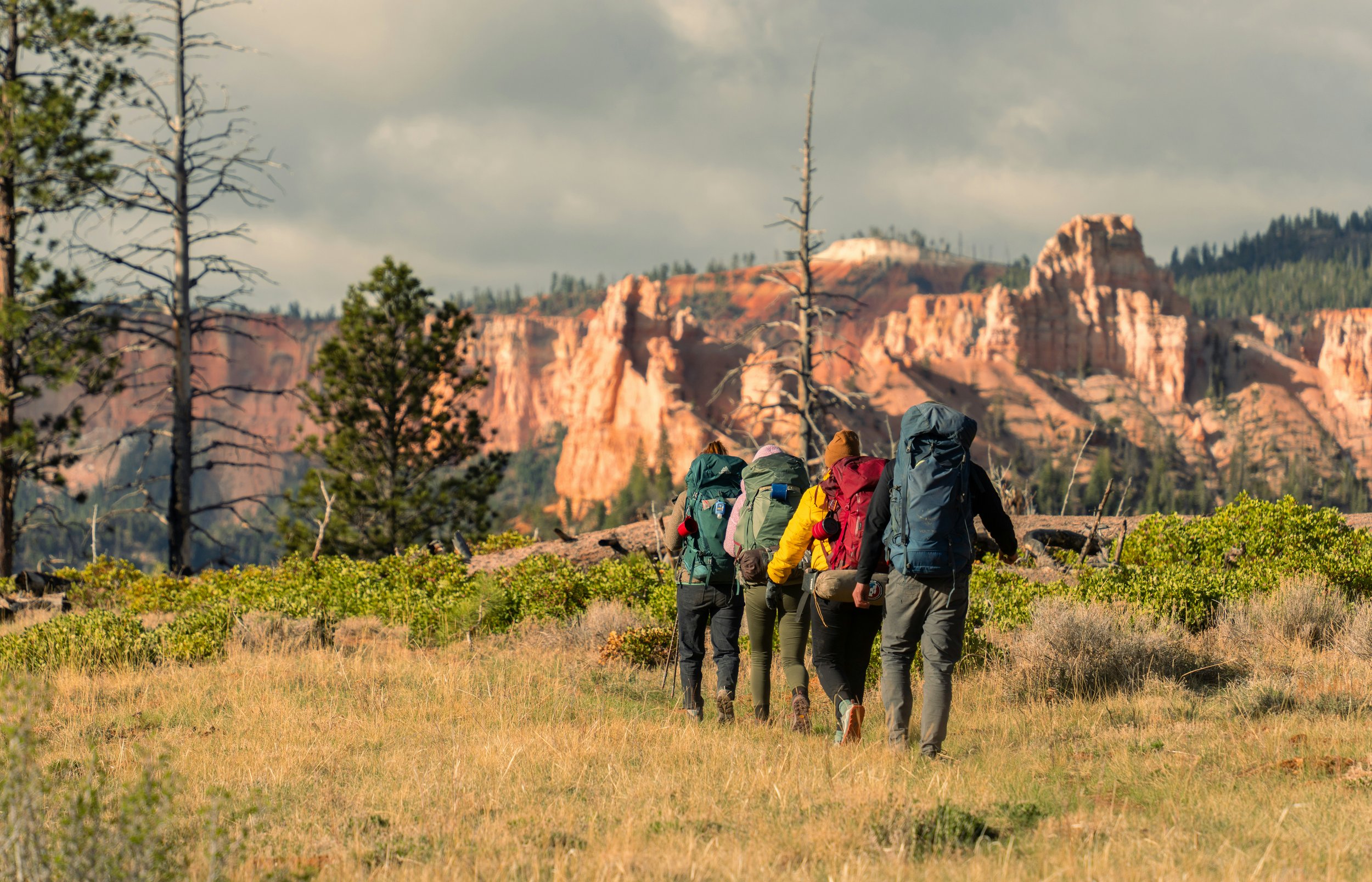
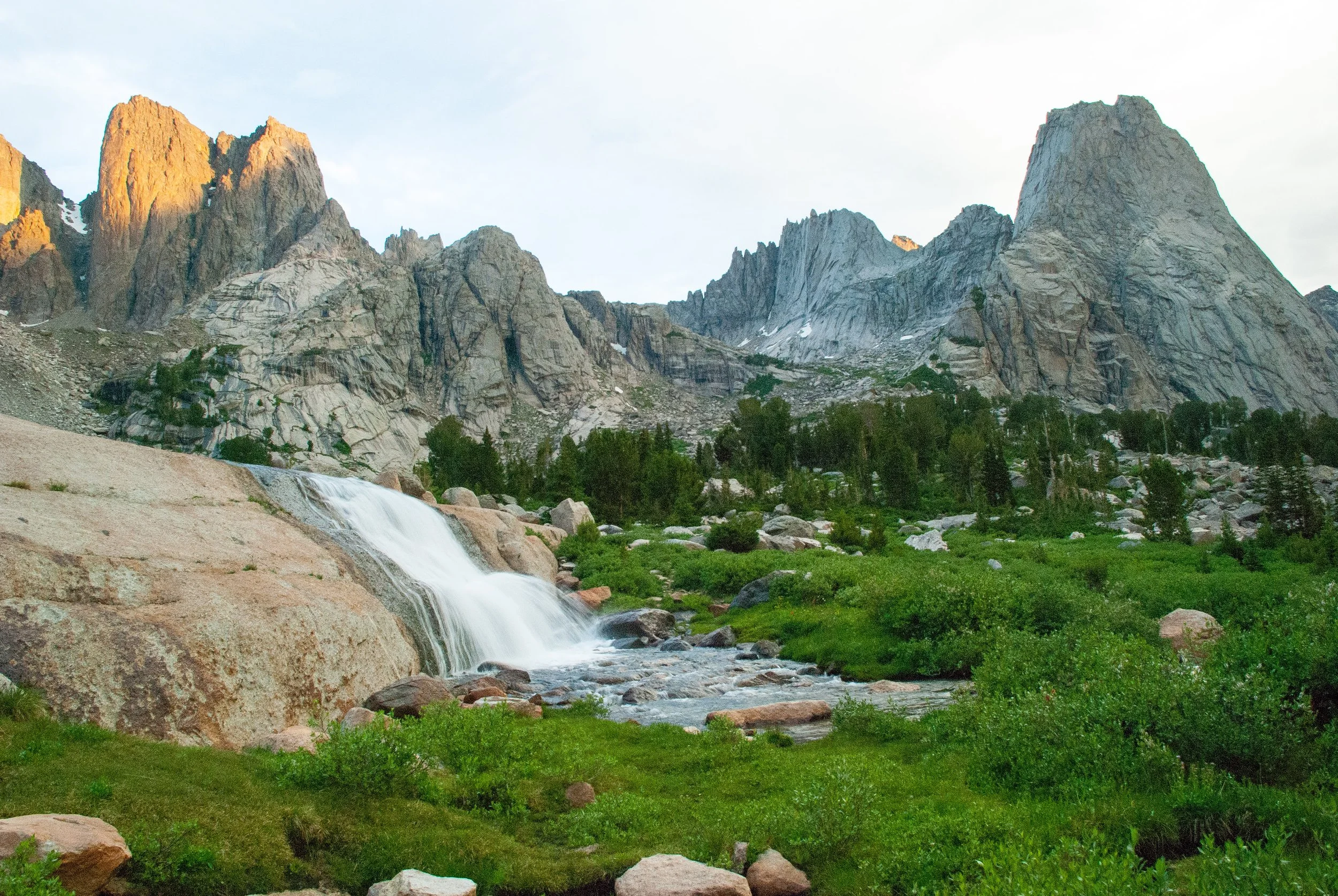
Protected areas like Wilderness, National Parks, and National Wildlife Refuges help safeguard intact ecosystems and the biodiversity they sustain — offering some of the strongest protections our public lands can receive. These designations are critical to defend against threats and should be expanded (where appropriate) across the public lands, so that more of our wild places and the species that depend on them endure.
Protected
Lands
Legislation11
Fact Sheet11
Issues
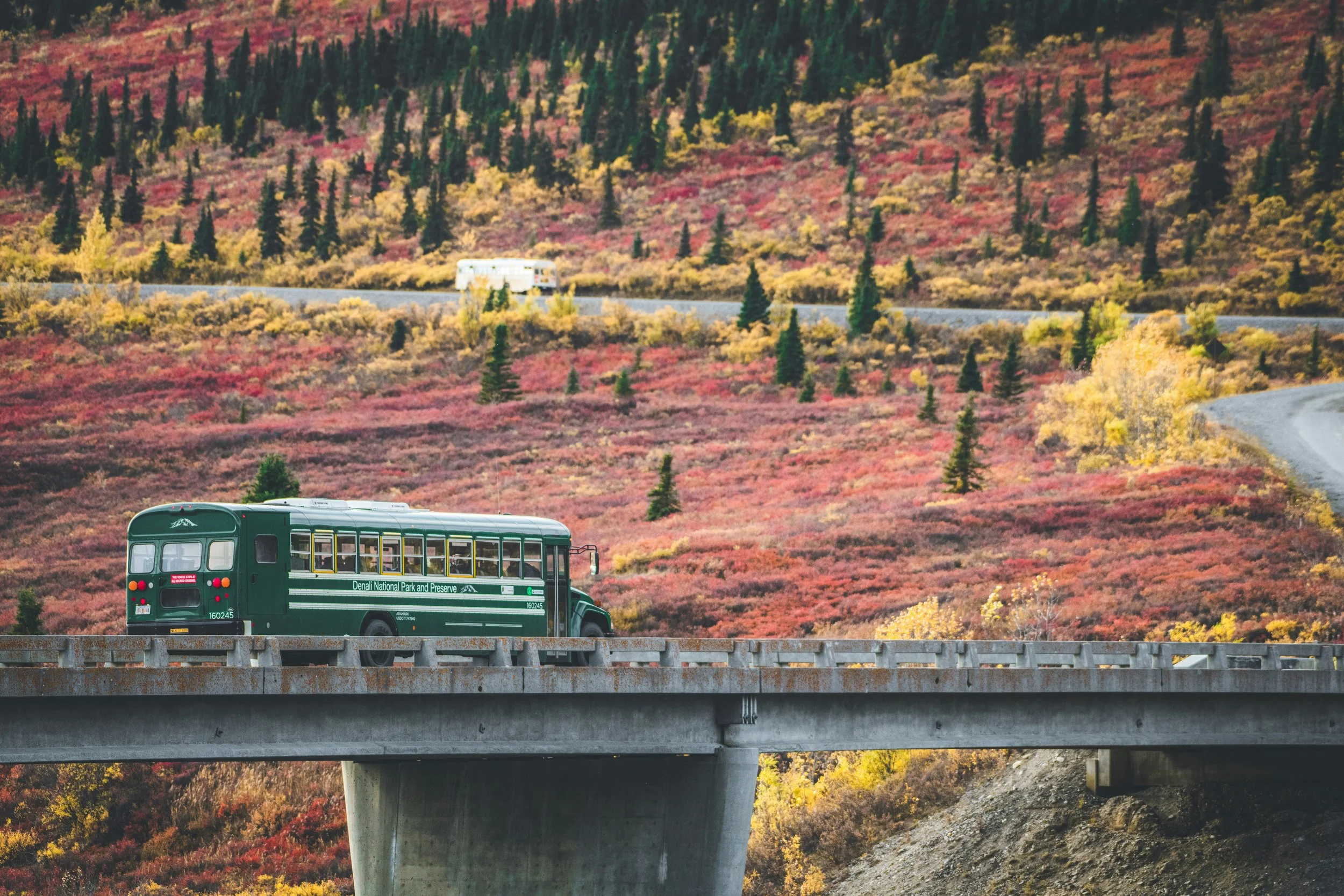
Getting to public lands shouldn't require a truck, a full day, and money to spare. Smart access policies — letting people corner-cross to reach landlocked parcels, protecting rights-of-way and easements, ensuring land swaps are a fair deal to the public, adding trailhead bus routes near cities are common sense policies we support.
Public
Access
Legislation12
Fact Sheet12
Issues
Rewilding
Rewilding offers a path to recovery for public lands degraded by industry so that nature can begin to heal on its own terms. By letting natural processes like fire, flooding, and predation shape the landscape again, rewilded areas create the dynamic disturbances that ecosystems need to thrive. A system of rewilding areas should be established across the public lands.
Legislation14
Issues
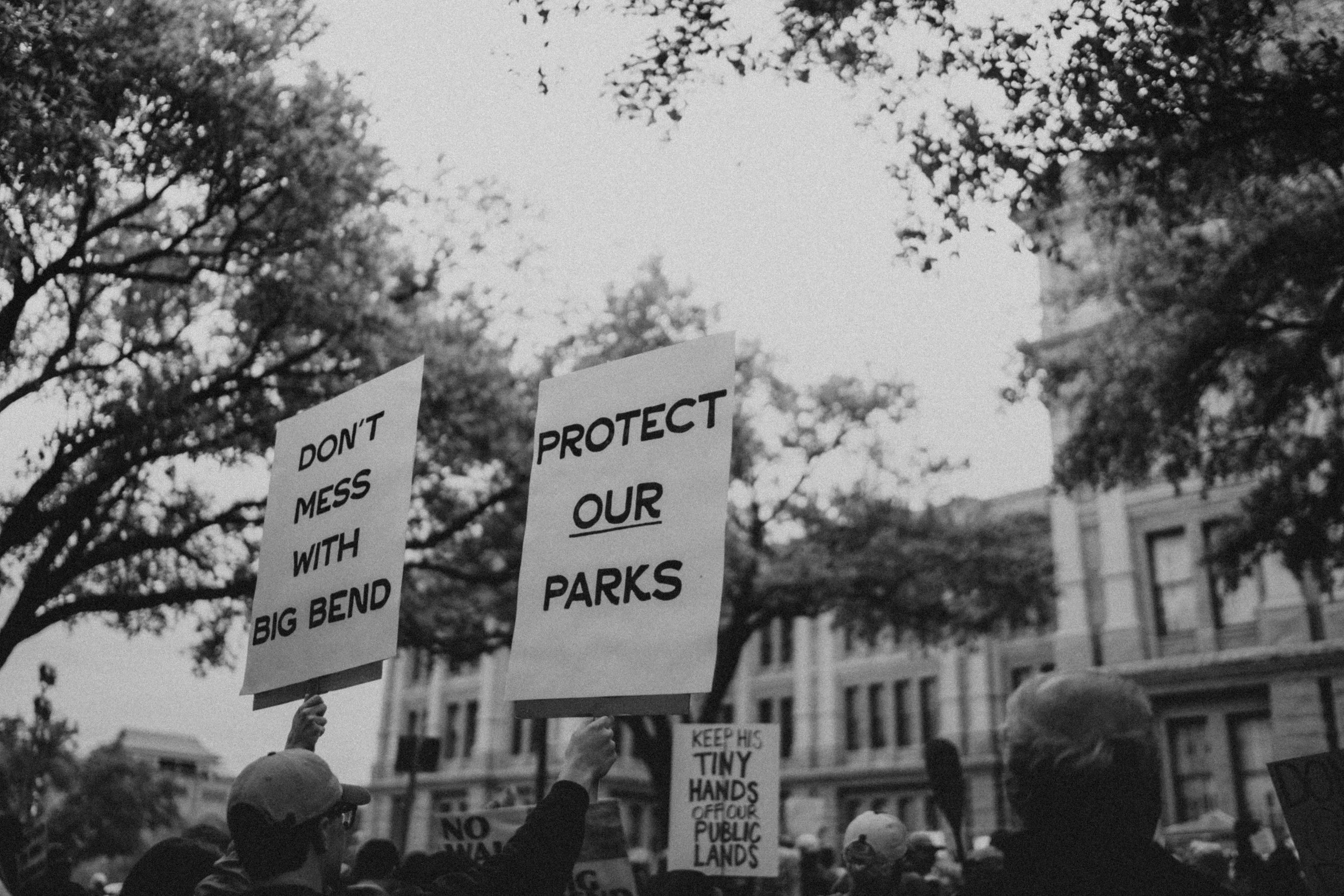
Robust public participation must be a cornerstone of public lands management, yet the National Environmental Policy Act — enacted to give the public a genuine voice — has been substantially weakened and too often reduced to a procedural checklist that rubber-stamps extraction. We must not only strengthen public participation but move beyond hollow process toward decisions that deliver real protection for the land.
Public
Participation
Legislation13
Fact Sheet13

Issues
The Rights of Nature is an emerging frontier in how we form relationships with public lands: the wild ecosystems and native wildlife they harbor have inherent rights to exist, thrive, and evolve on their own terms, independent of their usefulness to us. Recognizing these rights means managing public lands not merely as resources to be extracted or recreated upon, but as living communities we hold in trust for their own sake and for generations to come.
Rights
of Nature
Legislation15
Fact Sheet15
Issues
Roads
Roads fragment wildlands, block wildlife, and open the backcountry to poachers — and most human-ignited wildfires start close to them. With road densities already too high, a massive maintenance backlog, and runoff silting streams and smothering fish habitat, priority roads should be decommissioned and restored while new construction is prohibited.
Legislation
Fact Sheet14
Fact Sheet
Issues
Wildlife
Wildlife management on public lands is a near-total failure: we scramble to protect species only once they're on the brink of extinction rather than as a matter of course, and we manage the land as a commodity base instead of as habitat. Grizzly bears, wolves, coyotes, foxes, and other species are killed at the behest of ranching interests in what amounts to a war on wildlife. Land management and species' needs must finally be integrated into a single, coherent whole.
Legislation
Fact Sheet


Want to be part of the movement for a new direction for public lands?